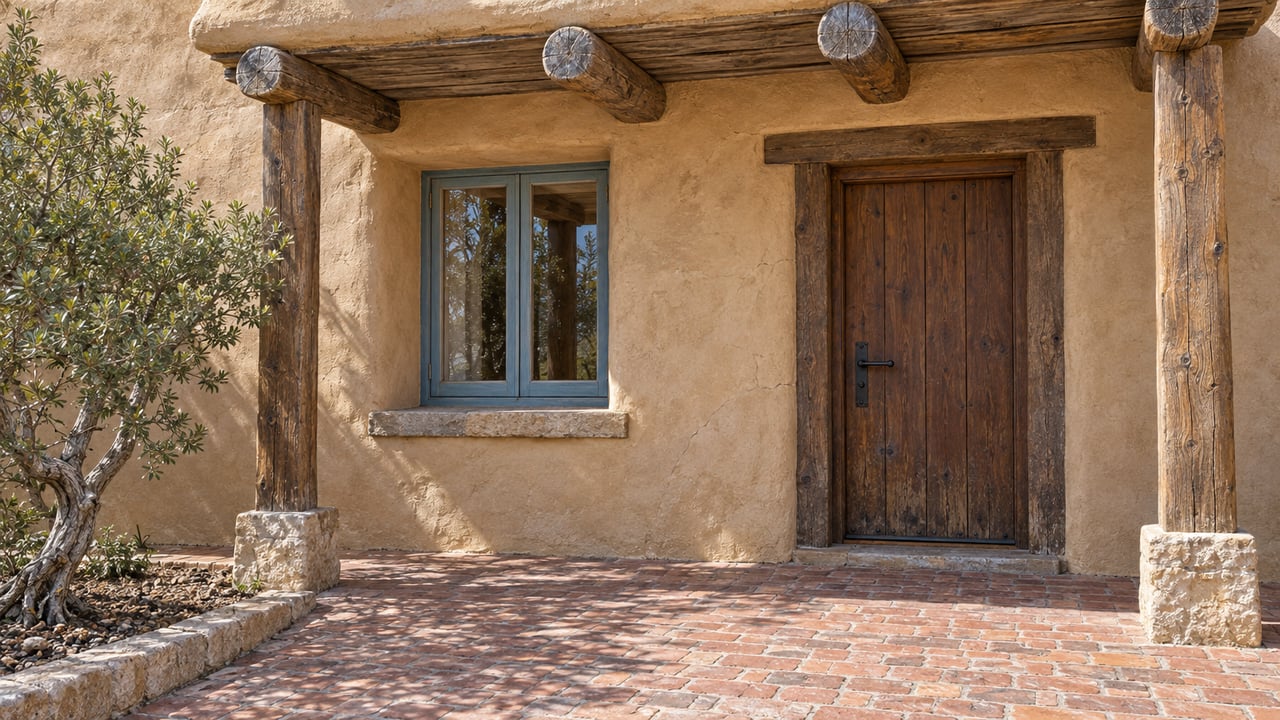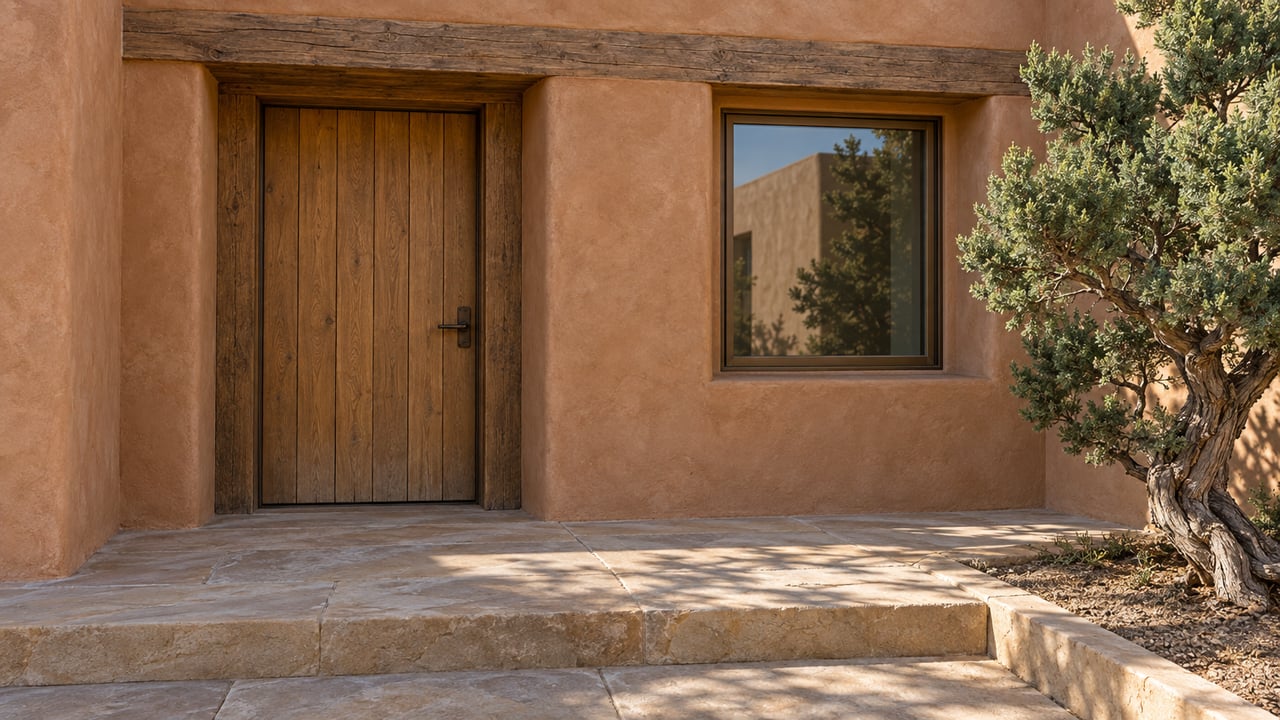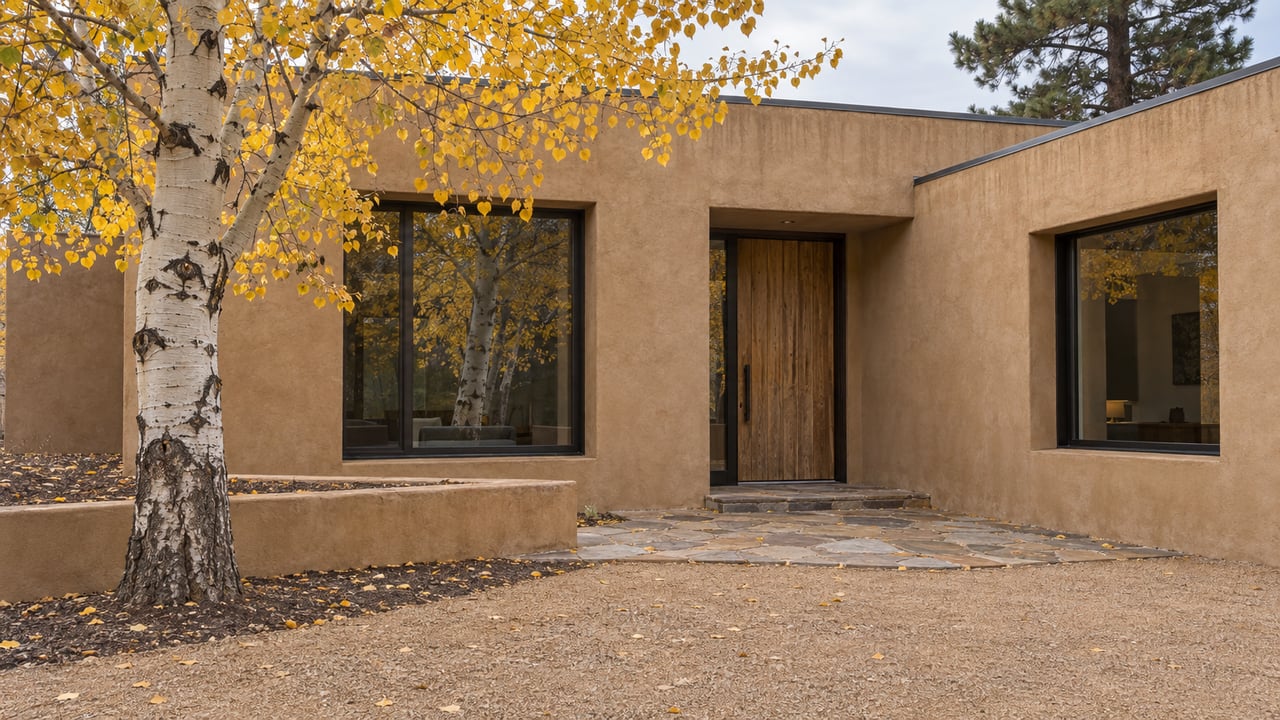
As reported by The Santa Fe New Mexican, Francesca Banci bought her house on West Houghton Street in 2021. It sits in the Don Gaspar Historic District, the residential heart of South Capitol where adobe casitas and early-1900s bungalows share the same blocks. Built in the 1950s, the house carries a "contributing" designation under the city's historic ordinance, and that single word became part of a dispute that reached the full City Council.
Banci tried to get the Historic Districts Review Board to reclassify the house as noncontributing so she could raise interior ceilings from their current 6½ feet and replace windows that are currently painted shut, but the board sided with staff and kept the contributing label. Banci appealed. At an August 2025 City Council meeting, the council voted 6 to 1 to grant her appeal, with Mayor Alan Webber casting the lone no. Even with the council on her side, the project still has to go back to the Historic Districts Review Board for final approval of the actual scope of work, as Yahoo News reports.
That last detail is the part most buyers never hear before they close. In South Capitol, a designation can be the single variable that decides whether your renovation budget holds.
What "contributing" actually locks in
The City of Santa Fe's five historic districts, including the Don Gaspar Area district that covers the heart of South Capitol, run on an ordinance that assigns every structure a status: significant, contributing, or noncontributing. That status designates one facade of the property as primary, and any change to the primary facade requires a variance, including changes to the building's height. In Banci's case, that meant no raising the ceiling and no replacing the windows on the street-facing side without special permission from a board whose criteria she described as open to considerable interpretation.
It is worth saying plainly: the board is not in the business of freezing homes in disrepair. Responding to a question from Councilor Alma Castro, Assistant City Attorney Frank Ruybalid said that in his four years working with the historic board, he had "never once" seen it tell a property owner they had to leave an uninhabitable structure uninhabitable. That is a genuinely reassuring data point for anyone worried the board exists to block livability upgrades outright.
But reassurance about outcome is not the same as certainty about process. Getting from "not habitable" to "approved" still meant a staff recommendation, a board hearing, a council appeal, and a second HDRB hearing on the actual construction plans. Each of those steps has its own timeline, and none of them are guaranteed to move on your schedule.
Status and renovation due diligence
Here is the part that should change how a buyer reads a South Capitol listing. Contributing and noncontributing status can shape renovation plans.
A case described by GBA Santa Fe, a local architectural consultant that has surveyed buildings in the Downtown and Eastside Historic District, involved a buyer who specifically avoided purchasing a contributing building because he assumed it would be too expensive to renovate. He checked the status before he bought. Years later, when he proposed major changes to the building he did buy, the Historic Design Review Board questioned whether it should have been listed as contributing all along. He ultimately kept his noncontributing status after a survey was completed, but only after losing real time waiting on the outcome.
Why this outranks the sale price
South Capitol trades at a premium inside a Santa Fe market that has cooled from its 2021 to 2023 peak. Citywide data for the first quarter of 2026 showed single-family sales down more than 11 percent year over year, average days on market stretching to 87 compared with 56 a year earlier, and roughly 73 percent of sales closing below list price. That is a market where buyers have room to negotiate on price. It is not a market where they have any leverage over a board's reading of an ordinance written to preserve, in the Santa Fe City Code's own language, "a general harmony as to style, form, color, proportion, texture, and material" across the historic district.
In other words, the price concession you might win on a South Capitol listing this year does nothing to offset the cost of a status fight you did not see coming. A buyer comparing two similarly priced homes on paper, one contributing and one noncontributing, is not comparing two equivalent renovation budgets.
What to ask before you write an offer
A home inspection will not surface any of this. Neither will a standard title search. If you are evaluating a home inside the Don Gaspar Area Historic District or anywhere else in South Capitol's historic footprint, the questions worth asking before you go under contract are different from the usual list:
- What is the property's current status designation, and which facade is designated primary? The city's GIS map shows both, and the Historic Preservation Division staff can confirm it directly.
- Does anything you want to change touch the primary facade, roofline, or window openings?
- Has the property gone through a recent survey or status review?
- If your project needs a hearing, have you budgeted time for the review process, not just the construction cost?
None of this means South Capitol is a bad place to buy. Its walkability, its mix of adobe and Craftsman-era architecture, and its proximity to the Plaza and the Railyard are exactly why the district commands the premium it does. Alongside an inspection, buyers should verify the property's designation and identify whether their planned work may require board review.
FAQ
Did the council's decision approve Banci's construction plans? No. The council granted her appeal, but the actual scope of work still needs final approval from the Historic Districts Review Board.
Does status designation affect what a home is worth? It affects what a home costs to change, which is a different question from what it is worth today. Two homes at the same list price can carry very different renovation timelines depending on which facade is designated primary and what work you are planning.
If you are weighing a purchase or a renovation inside South Capitol's historic footprint, the status question is worth answering before the offer, not after the permit application. Kenny Crowley has spent years walking Santa Fe buyers and sellers through exactly this kind of due diligence. Let's Connect before you fall in love with a facade you may not be able to touch.
This article is general information, not legal, tax or financial advice. Consult a qualified professional about your situation.