Selling a home in Santa Fe’s Historic Eastside is not the same as preparing a typical listing. Buyers are often drawn to these homes for their age, texture, craftsmanship, and sense of place, but they also arrive with smart questions about condition, maintenance, and past work. If you are getting ready to sell, the goal is not to erase the home’s history. It is to present that history well, reduce avoidable surprises, and protect value from the start. Let’s dive in.
Start With Historic District Rules
Before you schedule exterior touch-ups or order materials, check what work may need review. In Santa Fe’s historic districts, the City’s Historic Preservation Division assists owners with modifications and requires a Historic Districts Application for changes within the district. Minor work may be handled by staff, while larger or more visible work can go to the Historic Districts Review Board.
That matters because sale prep in the Historic Eastside often begins with visible items like re-stuccoing, roofing, windows, or mechanical equipment. The city also notes that roofing, window replacement, solar panels, re-stuccoing, and new or replacement mechanical equipment generally require permits. Exterior work in the historic district must be pre-approved by HPD, even though many simple maintenance and repair items do not require a construction permit.
The practical takeaway is simple: do not assume a common pre-sale upgrade is automatically allowed. If buyers can see it from the street, it is worth checking first. A rushed exterior change that conflicts with local standards can create delays instead of helping the sale.
Preserve The Historic Read
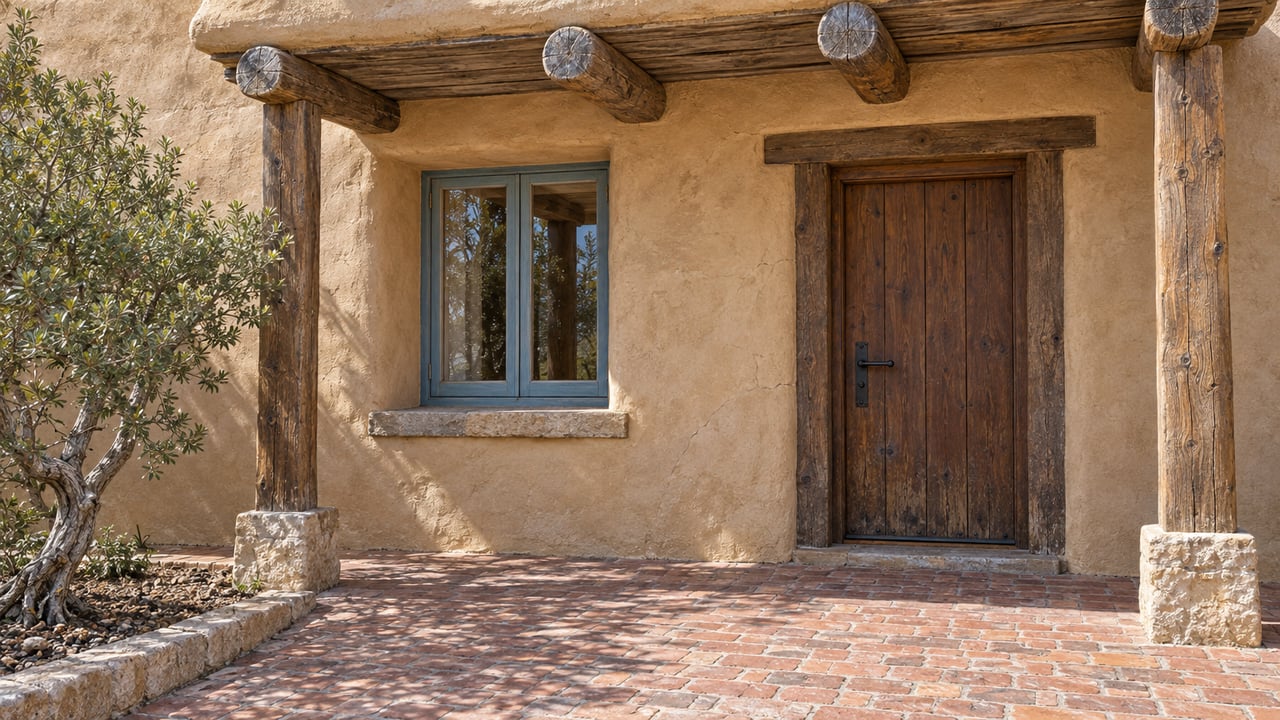
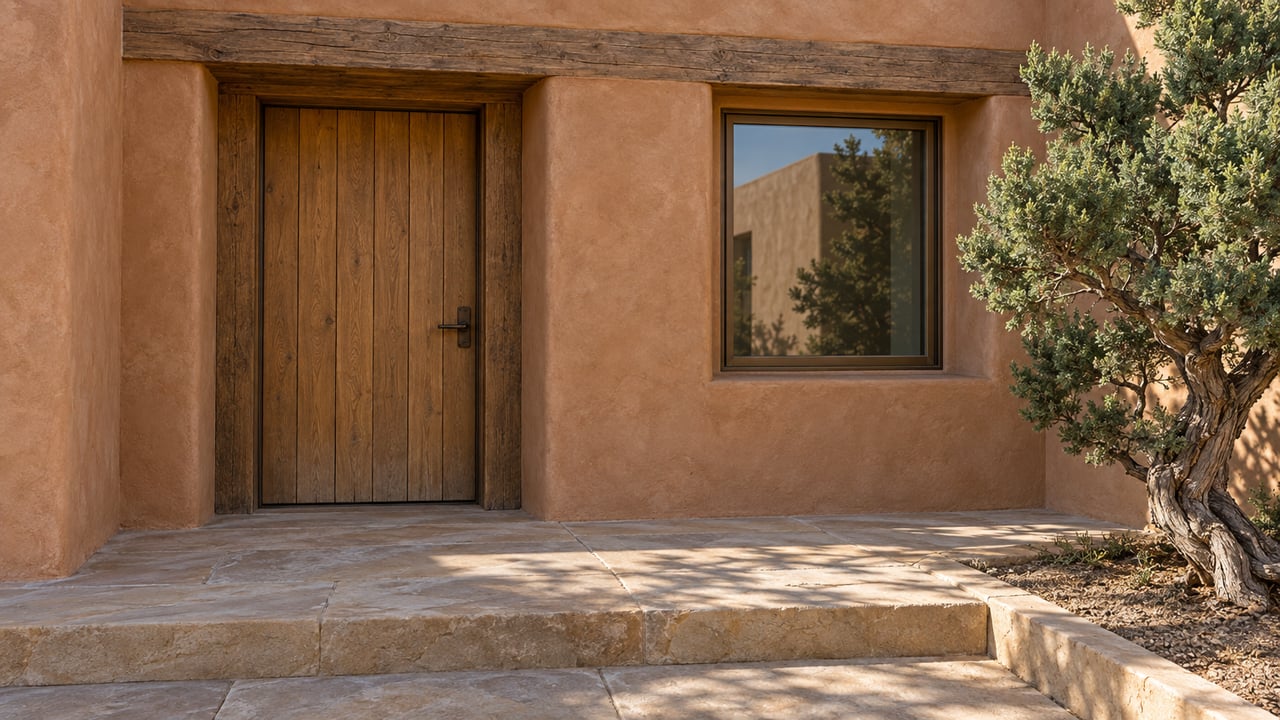
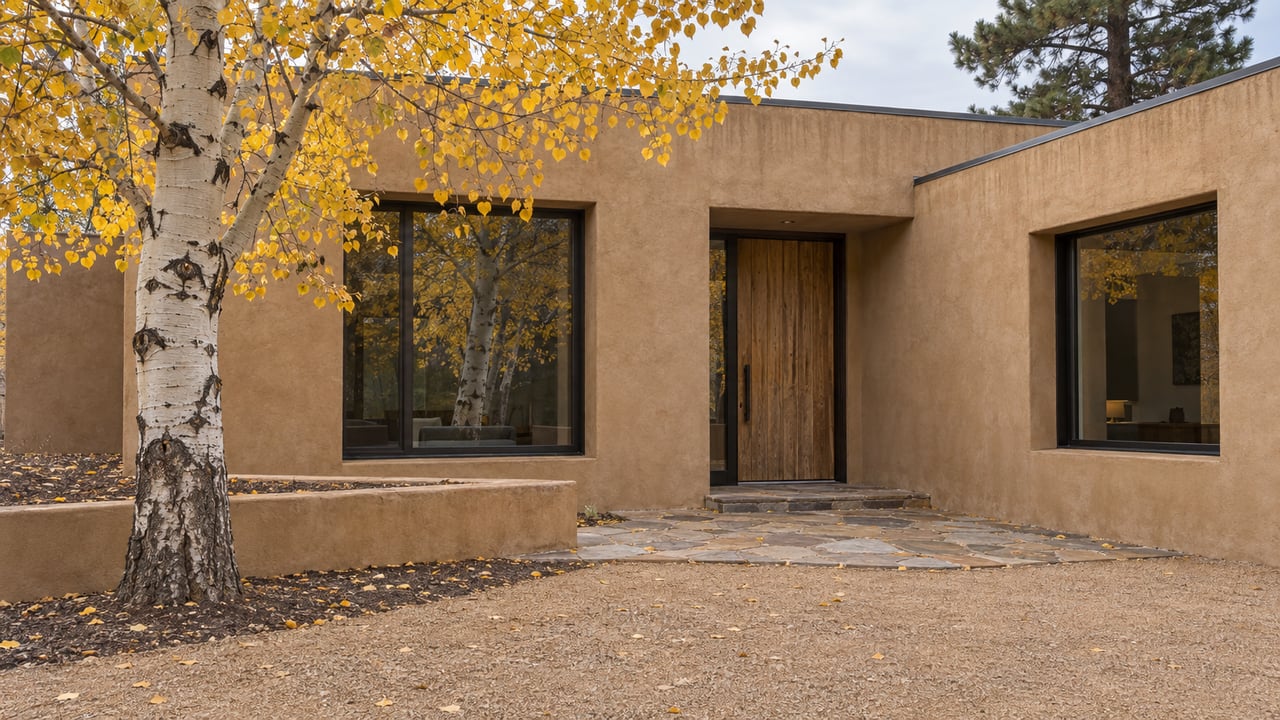
Santa Fe’s Downtown and Eastside standards emphasize forms and details tied to old Santa Fe and recent Santa Fe architecture. These include adobe or adobe-like wall-dominated buildings, flat roofs with parapets, vigas, portals, deep recesses, and restrained exterior colors.
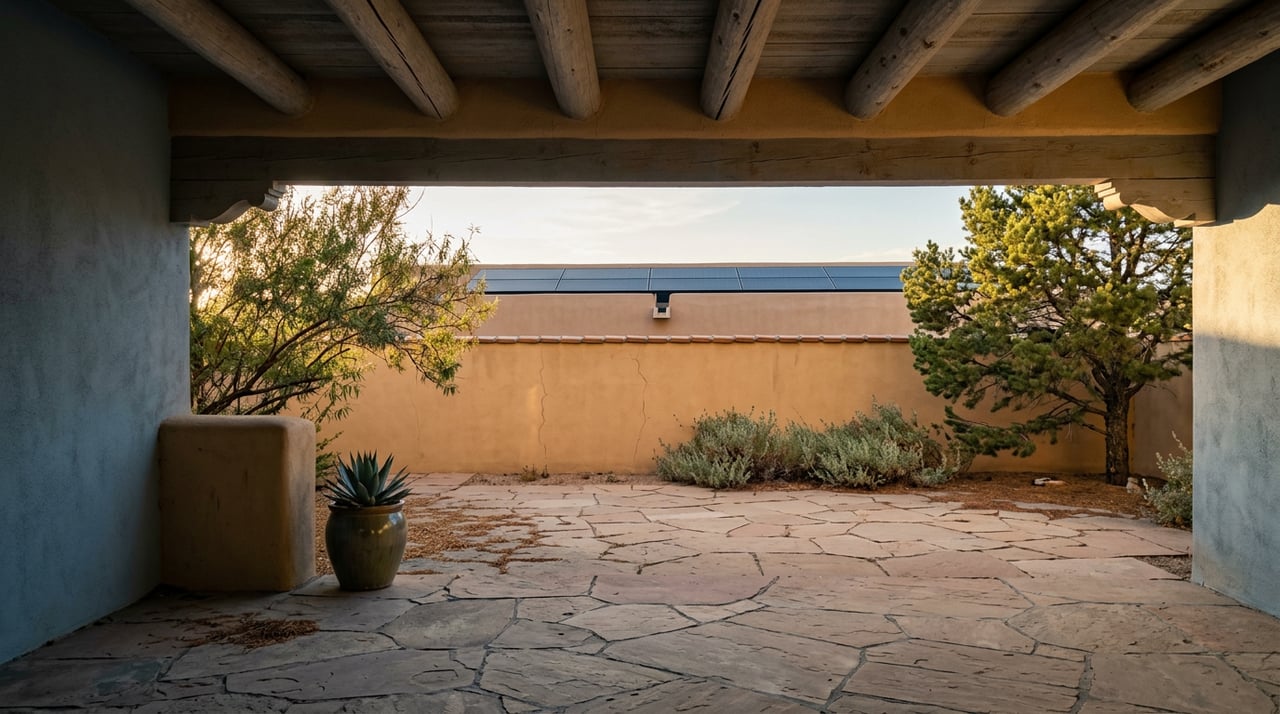
The ordinance also says publicly visible facades generally should be one color in a light or dark earth tone with a matte finish. It also calls for parapets to conceal skylights, mechanical equipment, solar panels, and other roof structures from public view where possible. When you prepare a Historic Eastside home for sale, the safest approach is usually to support those features, not compete with them.
Triage Repairs In The Right Order
If you only remember one thing, make it this: start with moisture. The National Park Service’s adobe preservation guidance says adobe surfaces are fragile and deteriorate mainly because of moisture. It also states that a watertight roof and proper drainage are the best protection.
That is why your first repair questions should focus on roof leaks, parapets, roof drains, gutters, grading, and foundation drainage. Standing water at the foundation, rain splash, and poor drainage can lead to cracking, bulging, and more serious deterioration over time. In older Eastside homes, these issues matter far more than a fresh decorative update.
The city’s guidance supports that priority. Santa Fe’s Historic Preservation Division treats active roof leaks and sewer or utility breaks as emergencies. If your home has active water intrusion, handling it before listing is usually the clearest way to protect both marketability and buyer confidence.
Watch For Incompatible Repairs
Older adobe and adobe-like homes need compatible materials. The National Park Service warns that cement stucco and other incompatible patches can crack and trap moisture, which can make problems worse rather than better.
For sellers, that means it is wise to be careful with quick fixes. A patch that looks neat for photos but performs poorly can become an inspection issue later. If repair work is needed, use professionals who understand older Santa Fe construction and the demands of adobe or adobe-like materials.
Use A Simple Repair Sequence
A smart pre-listing plan usually follows three steps:
- Fix active water intrusion first.
- Address structural or code-impacting issues next.
- Save cosmetic refreshes for last.
That sequence helps you spend money where it matters most. It also helps buyers see the home as well cared for, not superficially polished.
Stage To Highlight Character
Staging can help buyers connect with a home, but in the Historic Eastside, the target is different from a newer property. The National Association of Realtors’ 2025 staging report found that 83% of buyers’ agents said staging made it easier for buyers to visualize a property. The same report found that 49% said staging reduced time on market, and 29% reported a 1% to 10% increase in the dollar value offered.
That does not mean over-designing the home. NAR’s consumer guidance frames staging as decluttering and styling, not remodeling. It recommends removing bulky furniture, packing away personal items, keeping closets and high-traffic areas uncluttered, and using simple, fresh textiles.
Let Architecture Lead
In a Historic Eastside home, the best staging often steps back. You want buyers to notice vigas, plaster texture, carved woodwork, deep window recesses, portals, and thick walls. Oversized furniture, heavy accessories, or strongly themed decor can distract from what makes the home special.
A restrained visual approach usually works best. Keep sightlines open, simplify the rooms, and let natural light and architectural detail do the heavy lifting. The result feels more authentic and usually photographs better too.
Keep The Color Palette Calm
Because local standards emphasize earth-toned, matte exterior palettes and wall-dominated forms, a calm visual presentation tends to fit the setting well. Inside, neutral styling can help the home feel cohesive without making it feel generic.
If a room needs a refresh, think in terms of editing rather than reinventing. Fresh textiles, less furniture, and cleaner surfaces often do more than dramatic decor changes. The goal is to help buyers imagine living there while still feeling the home’s Santa Fe character.
Prepare For Inspection Questions Early
Historic homes usually attract serious buyer questions, and that is a good thing. In the Historic Eastside, buyers often want to know about roof condition, moisture history, cracks or settlement, mechanical age, window performance, and whether past repairs were permitted.
You do not need to make an old home feel new. You do need to show that it has been cared for responsibly. Good preparation is less about hiding age and more about proving stewardship.
Gather The Paper Trail
Before listing, assemble any documentation you have for major work and maintenance. A strong seller file may include:
- Permit records
- HPD or HDRB approvals
- Contractor invoices
- Roof service history
- HVAC service history
- Warranties
- Reports related to moisture or structural repair
This kind of documentation helps buyers separate normal upkeep from unresolved problems. It also makes it easier to answer inspection questions quickly and clearly.
Be Ready To Explain Prior Work
If windows, roofing, stucco, or mechanical systems were replaced, buyers may ask when the work was done and whether it was approved. In a historic district, that question carries extra weight because exterior changes are regulated.
Having records organized before your home goes live can reduce stress later. It can also help your listing feel stronger from day one, especially with detail-oriented buyers who know the Eastside market.
Do Not Forget Required Disclosures
For many older homes in Santa Fe, age itself creates disclosure obligations. If the home was built before 1978, federal lead-based paint disclosure rules apply to most housing sales. The EPA says sellers and agents must disclose known lead-based paint information and provide the required pamphlet before the buyer becomes obligated under a contract.
That does not mean something is wrong with your home. It means the transaction should be handled correctly and early. In a neighborhood with older housing stock, this is simply part of a well-managed sale process.
Focus On Stewardship, Not Perfection
One of the biggest mistakes sellers make with historic homes is trying to force them into a standard suburban prep model. Historic Eastside buyers are often looking for character, authenticity, and a home that feels rooted in Santa Fe. They are usually not expecting every surface to look brand new.
What they do want is confidence. They want to see that the roof and drainage have been taken seriously, that repairs were handled thoughtfully, that the architecture has not been obscured, and that the paperwork is organized.
That is where a strong sale strategy can make a real difference. A calm, well-planned prep process helps you protect the home’s character while reducing friction during inspections, negotiations, and closing.
If you are thinking about selling a historic home in Santa Fe, a local plan matters. Kenny Crowley can help you sort through prep priorities, coordinate the right specialists, and create a listing strategy that respects both the property and the market.
FAQs
What repairs should I prioritize before selling a Historic Eastside home in Santa Fe?
- Start with active water intrusion, roof issues, parapets, drainage, and sewer or utility problems. After that, address structural or code-related concerns, then move to cosmetic improvements.
Do exterior changes to a Historic Eastside home in Santa Fe need approval?
- Many exterior changes within Santa Fe’s historic districts require pre-approval from the Historic Preservation Division, and some projects may also require permits or review by the Historic Districts Review Board.
How should I stage a historic Santa Fe home for sale?
- Keep staging light and simple so buyers can see the architecture clearly. Remove bulky furniture, reduce personal items, and highlight features like vigas, plaster walls, portals, and deep window recesses.
What documents should I gather before listing a historic home in Santa Fe?
- Collect permit records, HPD or HDRB approvals, contractor invoices, roof and HVAC service records, warranties, and any reports related to moisture or structural work.
Do older Santa Fe homes require lead-based paint disclosure when sold?
- If the home was built before 1978, most sales require lead-based paint disclosure, including disclosure of known information before the buyer is obligated under contract.