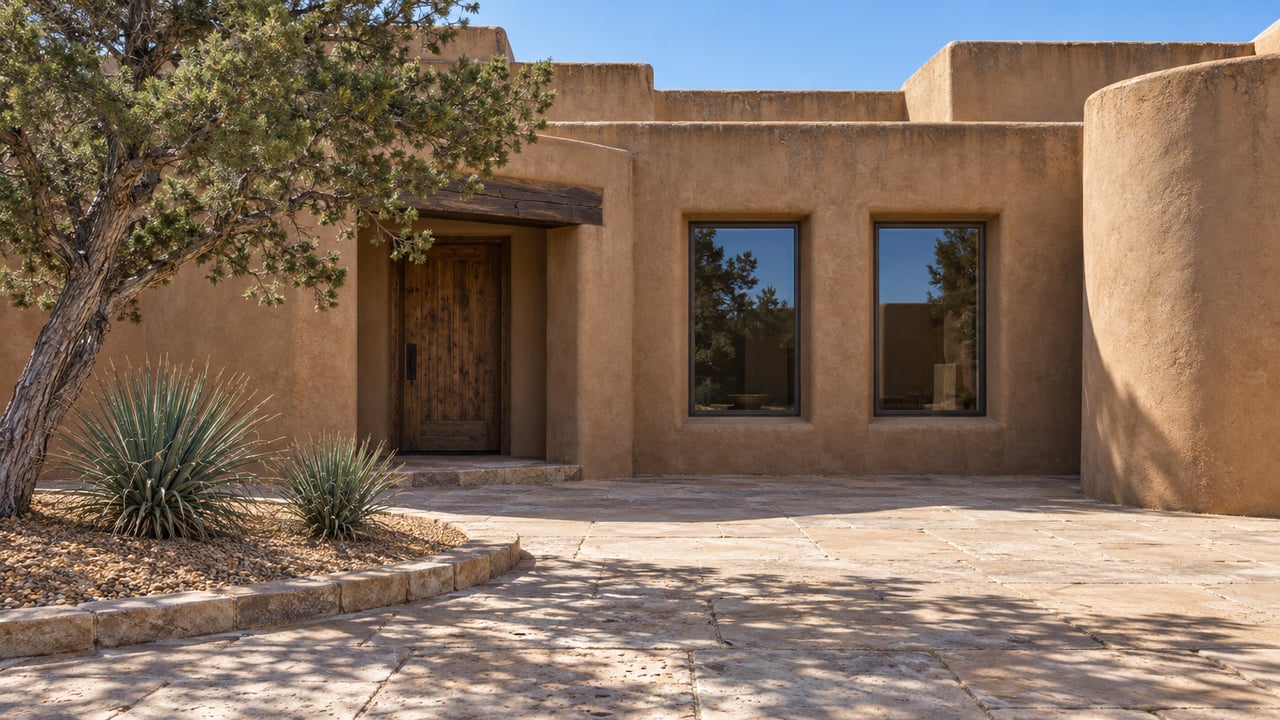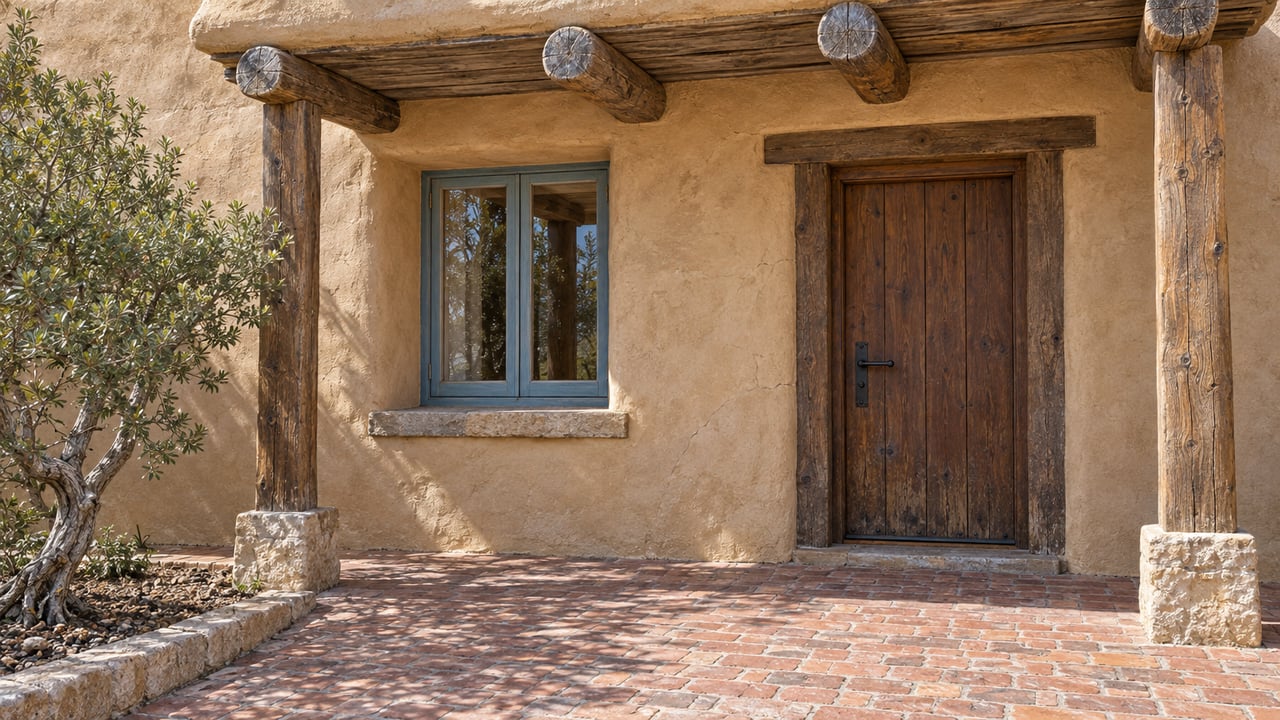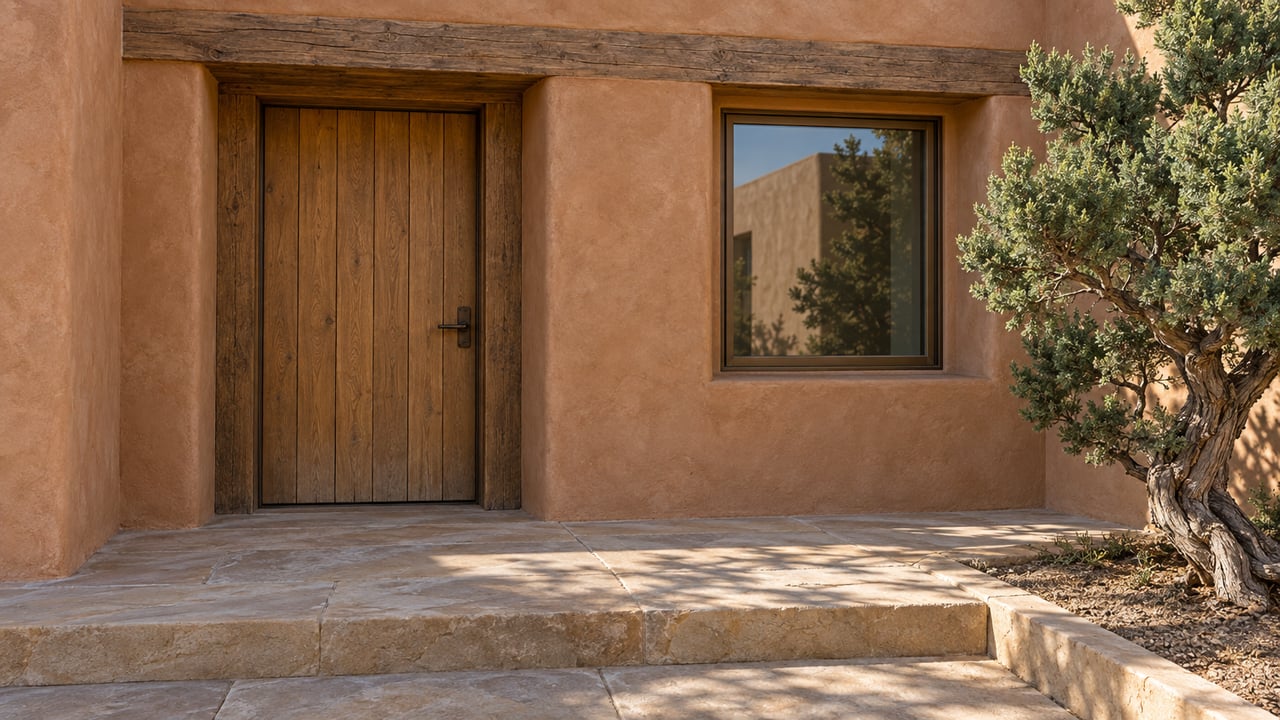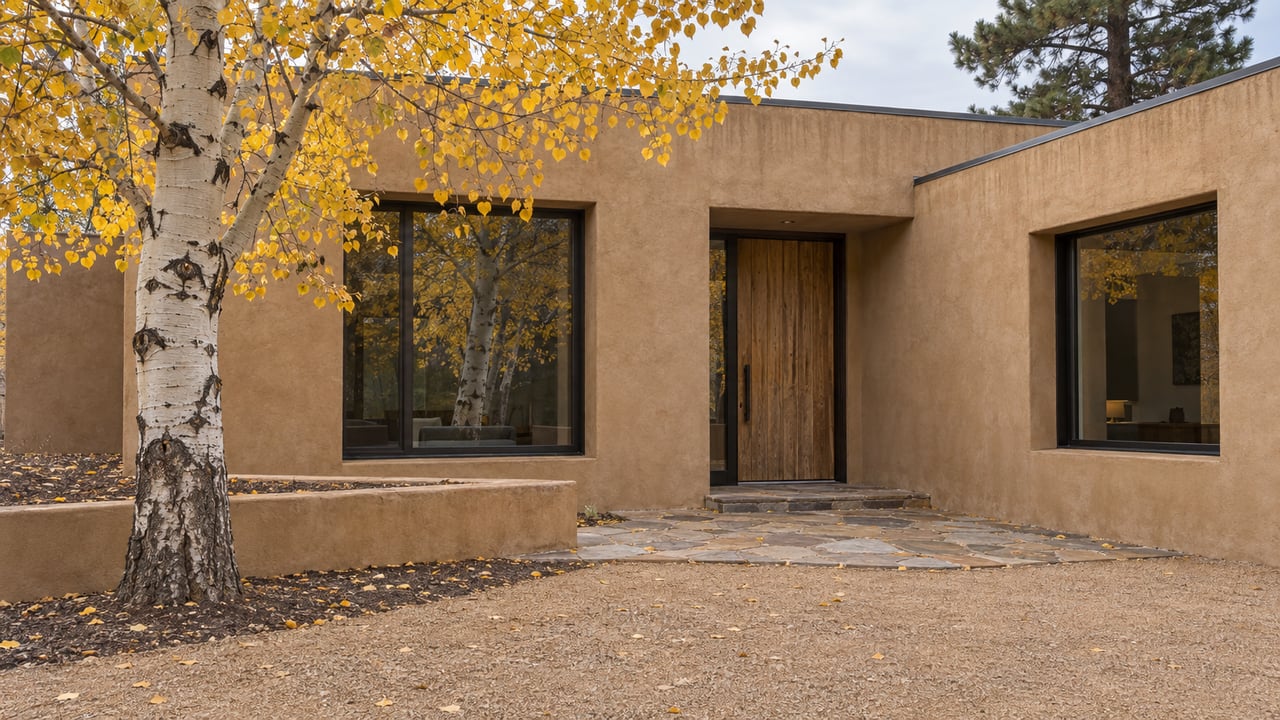
If you are drawn to Santa Fe’s Historic Eastside, you are probably not looking for a cookie-cutter house. You are looking for character, history, and the kind of adobe architecture that feels deeply tied to place. The tradeoff is that buying here takes more care than a typical home search, and understanding that upfront can save you time, money, and stress. Let’s dive in.
Why Historic Eastside buying is different
Santa Fe’s Downtown and Eastside area is part of one of the city’s historic districts, and that changes how ownership works. When you buy here, you are not just buying a home. You are also buying into a preservation framework that shapes what can be repaired, changed, or added over time.
The City of Santa Fe’s Historic Preservation Division reviews property modifications through staff approvals or the Historic Districts Review Board. The goal is broader than simple code compliance. The city is also trying to preserve harmony in style, form, color, height, proportion, texture, and material across the district.
For you as a buyer, that means the house itself is only part of the decision. Your plans for maintenance, updates, and future flexibility matter just as much.
Adobe homes can look similar but perform differently
One of the biggest misconceptions in Santa Fe is that all adobe-style homes work the same way. They do not. The city distinguishes between old Santa Fe style and recent Santa Fe style.
Old Santa Fe style refers to the traditional adobe expression. Recent Santa Fe style may use newer construction methods and materials while still fitting the district visually. Two homes can look very similar from the street, but one may have a very different maintenance profile and very different renovation limits.
That is why surface charm should never be the only filter in your home search. In Historic Eastside, you want to know not just how a home looks, but how it was built, how it has been repaired, and how those choices affect ownership going forward.
Why visibility matters in the district
Historic rules are often strongest where the home is most visible. The city defines the primary facade as the principal face of the structure that gives it its character. It also defines public visibility as what can be seen from a public street or another public area.
In practical terms, that means work on the most visible parts of the house often receives the closest scrutiny. If you are thinking about exterior changes, window work, re-stuccoing, or an addition, visibility can affect what is likely to be approved.
This is especially important for out-of-state buyers who may assume private ownership means broad design freedom. In Historic Eastside, preserving the public-facing character of a property is part of the ownership experience.
What makes adobe durable
Adobe has lasted for generations in the Southwest for a reason. It is a sun-dried earthen building material usually made from soil, water, and a fibrous binder such as straw or grass. When it is maintained with compatible materials and protected from moisture, it can perform very well.
Adobe also benefits from thick walls and traditional building methods that work with the material rather than against it. Historic homes can be more comfortable than many buyers expect, especially when they retain features like heavy masonry, operable windows, and natural ventilation.
That said, durability in adobe depends heavily on care. This is not a material that rewards deferred maintenance.
Water is the biggest risk factor
If there is one issue to take seriously in an adobe home, it is water. Preservation guidance is clear that a watertight roof with proper drainage is one of the best protections against rainfall erosion. Compatible plaster also plays an important role in shielding adobe from moisture.
The City of Santa Fe treats actively leaking roofs as emergency conditions in the historic-district process, which tells you how urgent roof problems can be. If a home shows signs of moisture intrusion, roof issues, or poor drainage, that should move to the top of your diligence list.
Adobe can shrink and swell as its water content changes. That is why moisture management is not a cosmetic concern. It is central to the long-term health of the house.
Older repairs can hide future problems
Not every past repair is a good repair. In some older adobe homes, previous owners used cement mortars, hard coatings, or impervious veneers that are not compatible with unstabilized adobe.
That matters because adobe needs materials that move and breathe in a similar way to the original construction. Hard, patched-over surfaces may look durable at first glance, but they can actually trap moisture or accelerate deterioration.
If you are evaluating a property, do not assume a firm or heavily patched exterior is a sign of low maintenance. It may be a sign that the home needs a closer review by the right professionals.
What to inspect before closing
A strong inspection strategy for a Historic Eastside adobe home should focus on the areas most tied to moisture, structural movement, and compatibility of prior work. General inspections are useful, but older adobe homes often require a more targeted lens.
Here are some of the main items to discuss before closing:
- Roof drainage
- Parapets and canales
- Stucco or plaster condition
- Cracks and signs of settlement
- Grading around the foundation
- Site drainage and runoff away from the home
- Evidence of past repairs using hard cement or other non-breathable materials
Ground moisture matters too. Drainage around the site can affect masonry and adjacent wood components, so the land around the house is part of the inspection story, not just the walls and roof.
Windows and doors may not need full replacement
Historic windows and doors often surprise buyers. In many cases, they can be repaired or upgraded rather than fully replaced.
That is helpful in Historic Eastside, where preserving original character matters. Energy-efficiency improvements in historic buildings often focus on reducing air infiltration around windows and doors instead of replacing them outright.
If comfort is a concern, do not assume the only answer is wholesale replacement. In many adobe homes, the smarter path is a repair-and-upgrade approach that respects the building’s historic character.
Verify historic status early
One of the simplest ways to avoid an expensive surprise is to confirm the property’s historic status early in the process. The city handbook notes that some properties are labeled Not Resurveyed, which means the owner must request a Historic Status Review before making alterations.
The handbook also warns that the city GIS map can contain errors. That means staff confirmation is important, especially if you are buying remotely and planning work soon after closing.
This step is easy to overlook, but it can affect your timeline, your renovation plans, and your budget. In a neighborhood like Historic Eastside, small paperwork details can have large real-world consequences.
Repair rules are stricter than many buyers expect
On significant, contributing, and landmark structures, the city expects historic features to be repaired rather than replaced whenever possible. If replacement is necessary, the new material is supposed to match the old in composition, design, color, texture, and other visual qualities.
That is a major difference from newer neighborhoods where owners often have more freedom to swap out materials and profiles. It also means that the easiest or cheapest fix is not always the one that aligns with district standards.
For you, this is not necessarily a downside. It is simply part of understanding the true cost and pace of ownership before you buy.
Additions require careful planning
If you are buying with future expansion in mind, look closely at that before you make an offer. City documents state that additions should be compatible with the historic structure and, in example cases, should be set back more than 10 feet from the primary facade and stay within 50 percent of the existing footprint and primary-facade dimension.
That does not mean additions are impossible. It means they are controlled, and your lot, house placement, and existing building form all matter.
A home that works beautifully for your needs today may be a better fit than a home you hope to reshape later. In Historic Eastside, future flexibility should be part of the purchase decision from day one.
Expect permits and approvals to take work
In Santa Fe, building permits are required for many exterior or mechanical projects, including roofing and re-roofing, window replacement, solar panels, new or replacement mechanical equipment, re-stuccoing, and driveway construction. Inside the historic districts, exterior work must also be pre-approved by the Historic Preservation Division.
Some simple maintenance and repair tasks may not require a construction permit, but they still often involve documentation. The city asks for a proposal letter, a site plan or map, current-condition photos, and sometimes scaled floor plans and elevations.
That means the process can be slower and more document-heavy than what you may be used to in a newer area. If you plan to remodel soon after closing, budget for review time, application fees, and consultant support along with construction costs.
Ground disturbance can trigger extra review
If your future plans involve excavation, trenching, or other ground disturbance, ask early whether archaeological review or clearance may apply. The city notes that some projects may need ARC review and that buried-site discoveries or life-safety issues can trigger special handling.
This is not something every buyer will face, but it is important in a historic district where the land itself may carry added sensitivity. If your project involves digging, do not leave that question for later.
The best Eastside purchase is usually the balanced one
The right Historic Eastside home is not always the one with the most original material or the most romantic story. In practical terms, the stronger purchase is often the home with a sound roof, good drainage, compatible plaster, maintainable windows, and well-documented prior repairs.
That balance matters even more if you are buying from out of town or looking for a second home. You want the beauty and character that make Eastside special, but you also want a property you can manage with confidence.
A careful buying process helps you get both. If you approach adobe ownership with clear expectations and disciplined due diligence, Historic Eastside can be one of the most rewarding places to own a home in Santa Fe.
If you want a calm, local perspective on buying an adobe home in Historic Eastside, Kenny Crowley can help you evaluate properties, coordinate inspections, and move through the process with more clarity.
FAQs
What makes buying in Santa Fe Historic Eastside different?
- Homes in Historic Eastside fall within a city historic district, so exterior changes and some repairs may require review or pre-approval to preserve the district’s character.
What should you inspect first in a Santa Fe adobe home?
- Focus on roof drainage, parapets, canales, plaster or stucco condition, cracks, site grading, runoff patterns, and signs of incompatible past repairs.
Why is water such a big issue for adobe homes?
- Adobe can shrink and swell as moisture levels change, and water intrusion can lead to erosion and deterioration if roofs, drainage, or exterior finishes are not performing properly.
Can you replace windows in a Historic Eastside adobe home?
- Window work may require review, and historic windows can often be repaired or upgraded rather than fully replaced, especially when preserving character is a priority.
Can you add onto a home in Santa Fe Historic Eastside?
- Additions may be possible, but they must be compatible with the historic structure and are subject to city review standards tied to placement, scale, and visibility.
Should you verify a home’s historic status before closing in Santa Fe?
- Yes. Some properties are labeled Not Resurveyed, and the city handbook notes that GIS records can contain errors, so staff confirmation is an important part of due diligence.